Connected Care
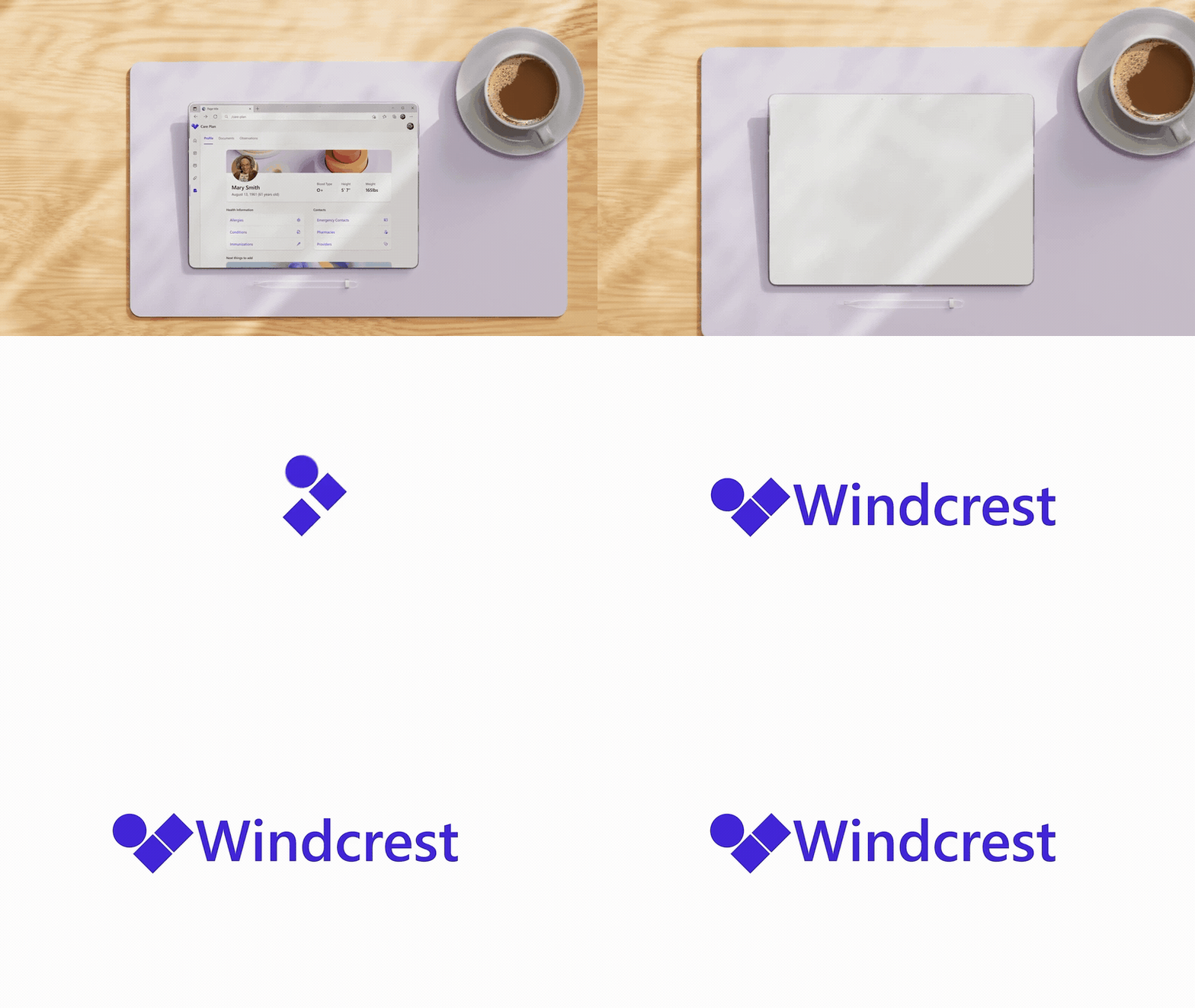
During my time at Microsoft Research, I had my hands in several AI initiatives, one of which involved early GPT-3 prototypes from OpenAI. That work evolved into Windcrest under Microsoft Health Futures, which I ultimately shaped into Connected Care: a platform for caregivers that I shepherded from a blank canvas through three product waves over 18 months.
“This is a great example of a true end-to-end experience thinking about patient engagement.”
Microsoft Health & Life Sciences Product Leader
The Mission
The driving idea behind our work at Microsoft Research was straightforward: use technology and innovation to help every person on the planet live a healthier life.
The Team
I was juggling several AI explorations at Microsoft Research at the time, building GPT-3 proof of concepts with OpenAI among them. Windcrest, housed within Microsoft Health Futures, was the one that stuck. It eventually grew into what we called Connected Care.
Our goal was three-fold: demonstrate that caregivers actually wanted this, push the boundaries of what AI could do for them, and ultimately hand something valuable to the Health and Life Sciences team to shape their patient engagement roadmap.
The Challenge
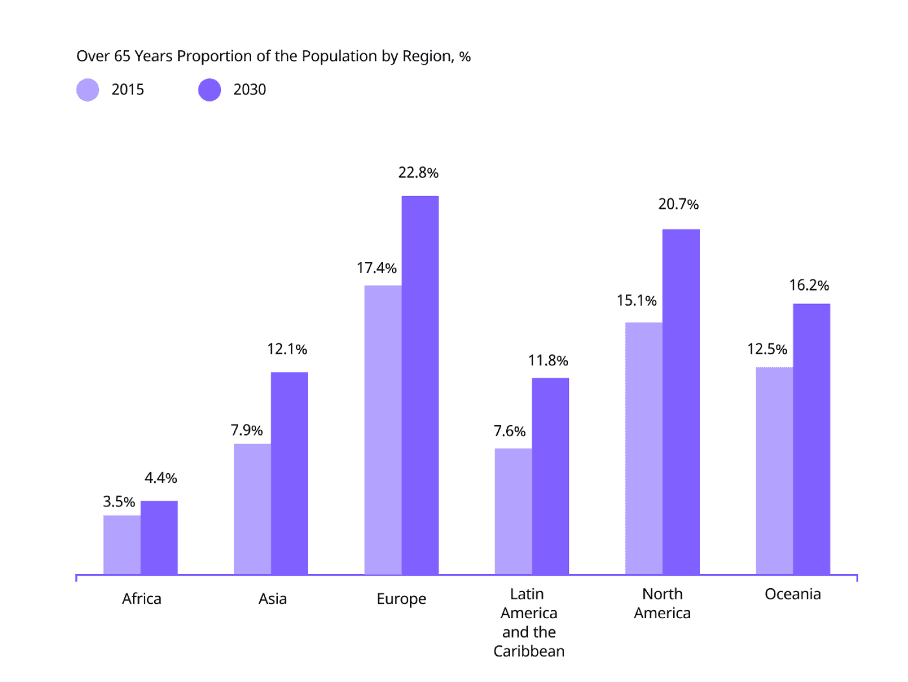
We are living through one of the biggest demographic shifts in history: the rapid aging of populations worldwide.
Caregivers span every demographic and geography. One out of every five adults serves as a family caregiver, which means roughly 20% of Microsoft's own workforce could be in that boat.
The Approach
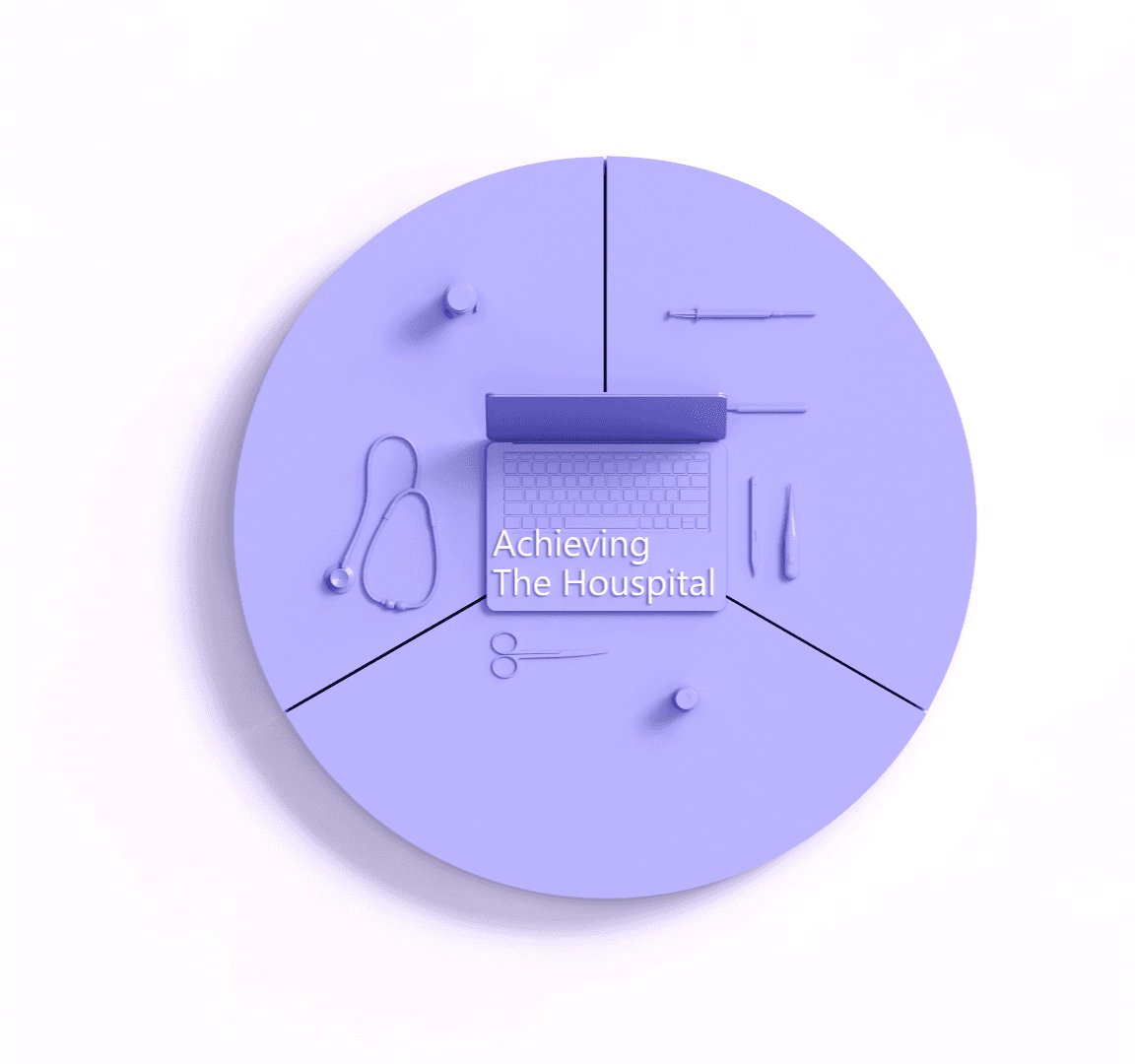
Our strategy broke down into three distinct waves (first research and validation, then AI-driven innovation, and finally proving product fit) all aimed at bringing patient and caregiver engagement into the home. Internally, we nicknamed the concept the "Houspital."
We executed all three waves in 18 months.
Wave 1: Prove Customer Interest
Create a Connected Care MVP
The first wave was about answering a fundamental question: as the number of home caregivers keeps rising, would they actually embrace a digital tool to help them navigate their loved ones' evolving health needs? We set out to find the answer through research and hands-on prototype testing.
Research
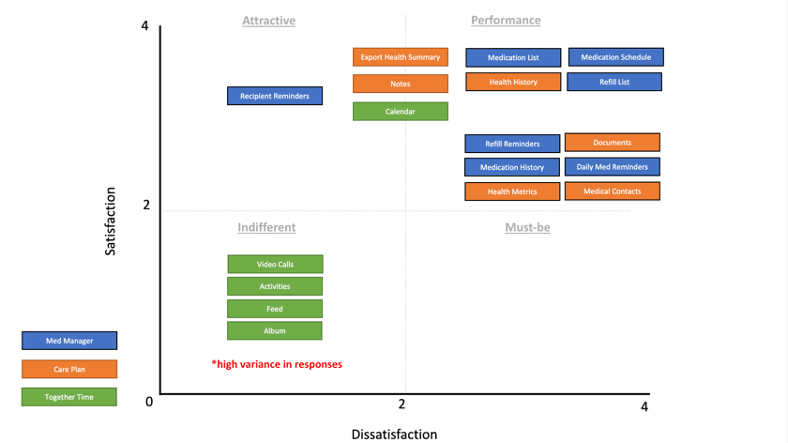
The Kano model became our prioritization compass. It let us sort every potential feature into Must-Be, Performance, Attractive (delighters), or Indifferent buckets.
Our guiding principle was simple: tackle Must-Be features first, then Performance, then Attractive. Since we were still pre-launch, we treated Performance features with the same urgency as Must-Be because they were table stakes for earning trust.
Pillar Design
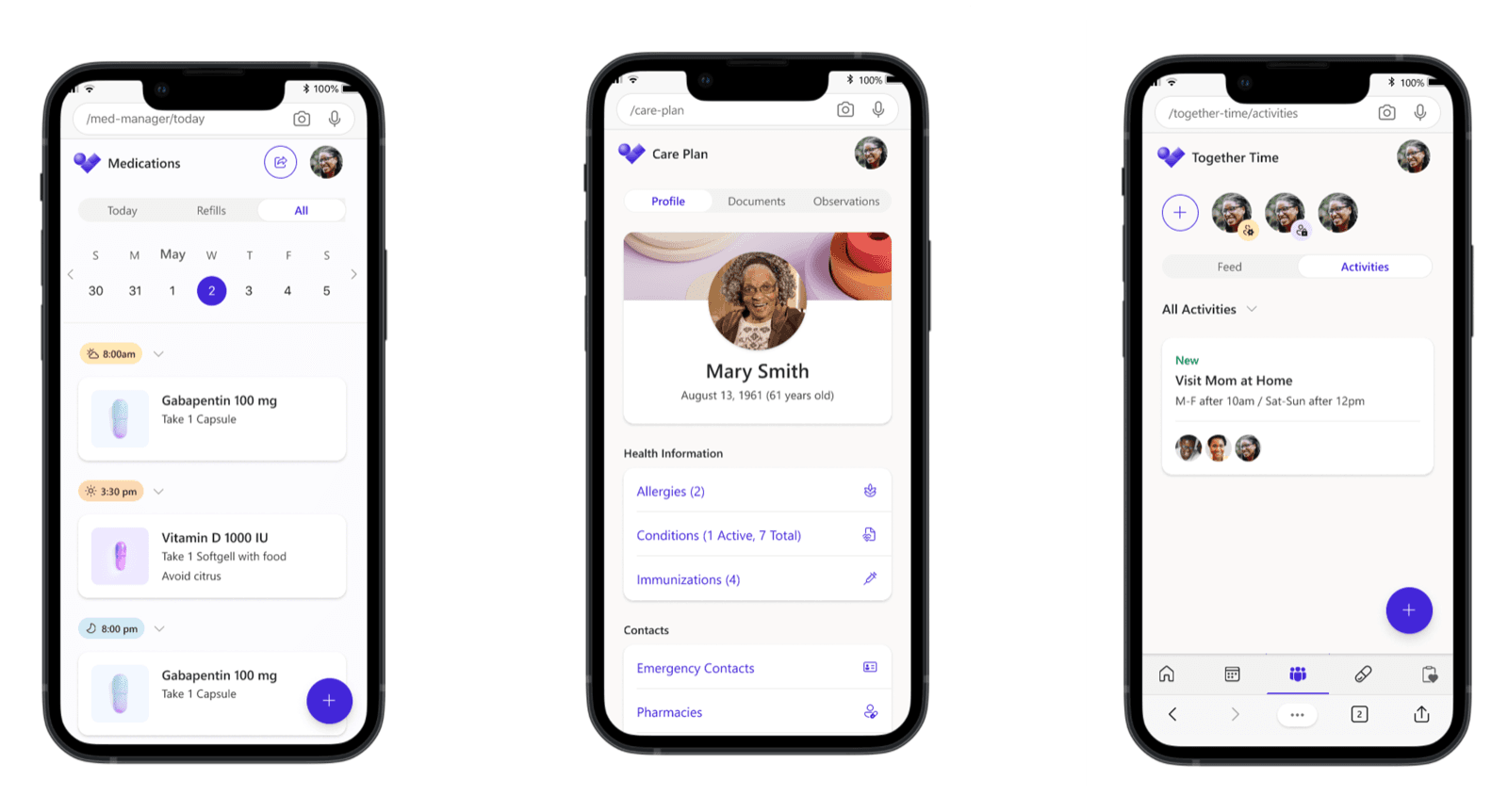
Each designer on my team owned a specific pillar, and I coached them on weaving brand identity and information architecture into their respective areas.
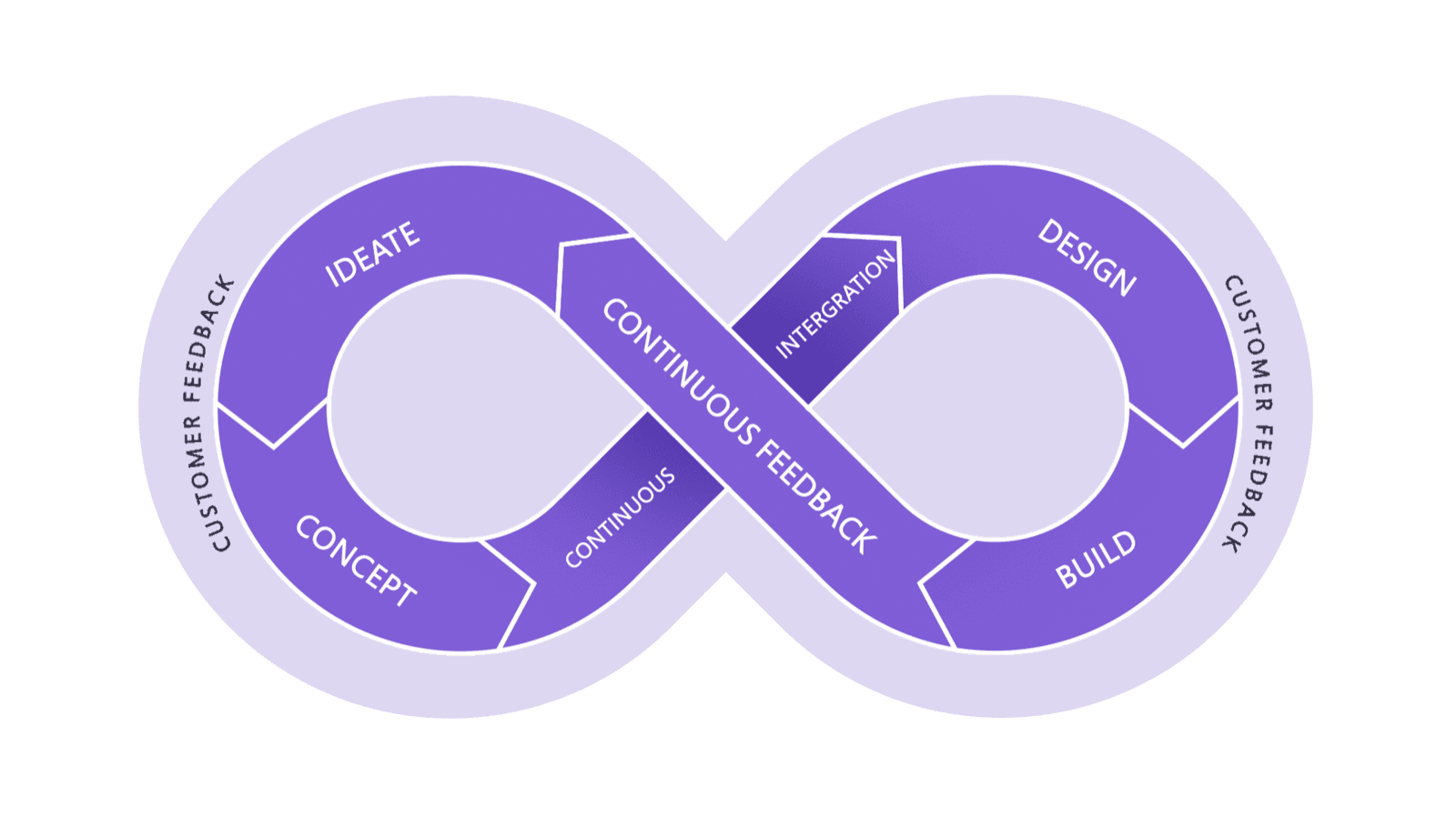
What made this process special was the continuous feedback loop I set up with an internal caregiver council. I stood up the council myself and encouraged designers to meet with its members on a regular cadence, keeping real user voices at the center of every design decision.
Provide Guidance
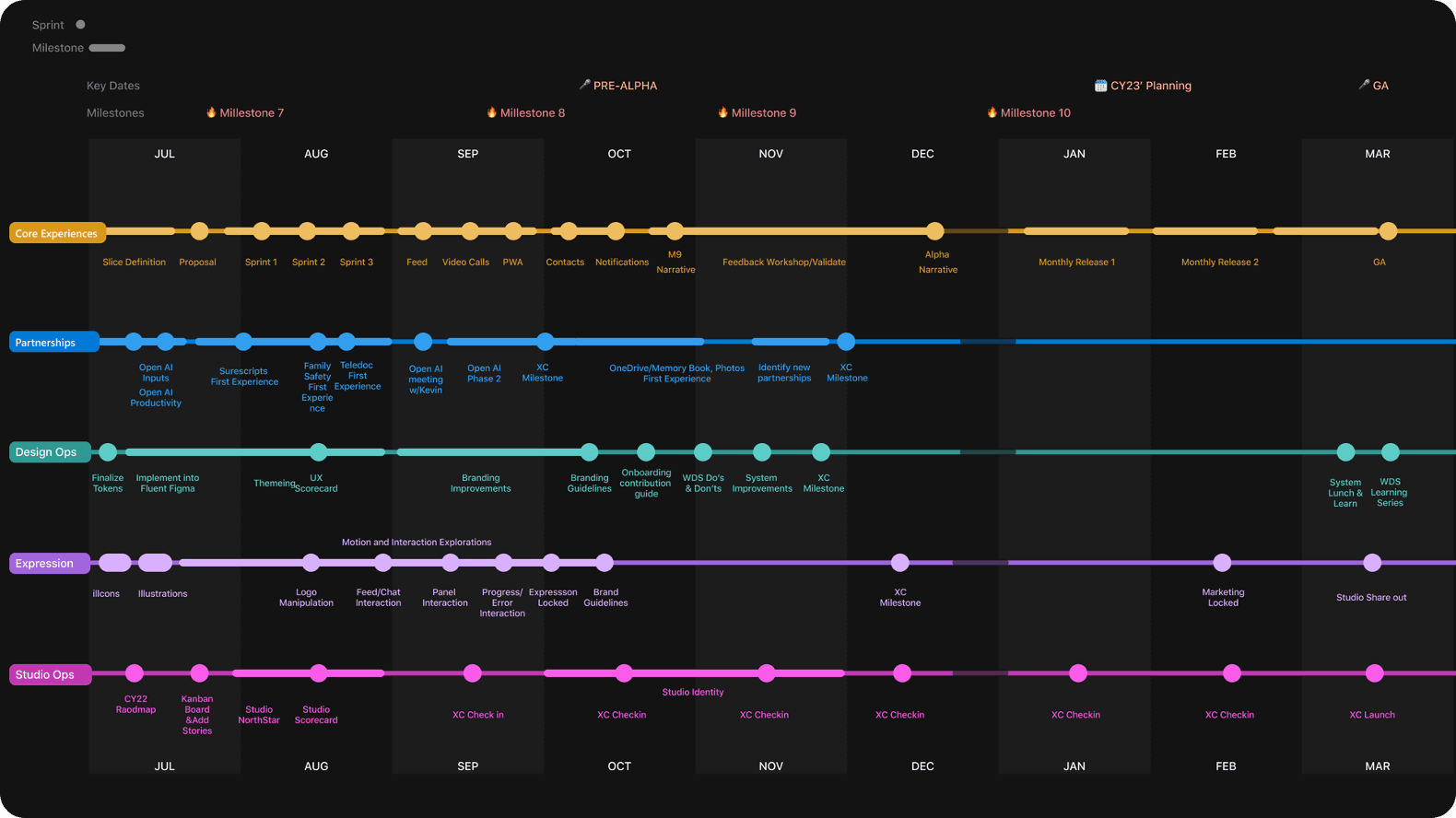
I broke the design team's work into clear workstreams and partnered individually with each designer to build out a payload roadmap that would carry us to our Alpha launch.
Information Architecture
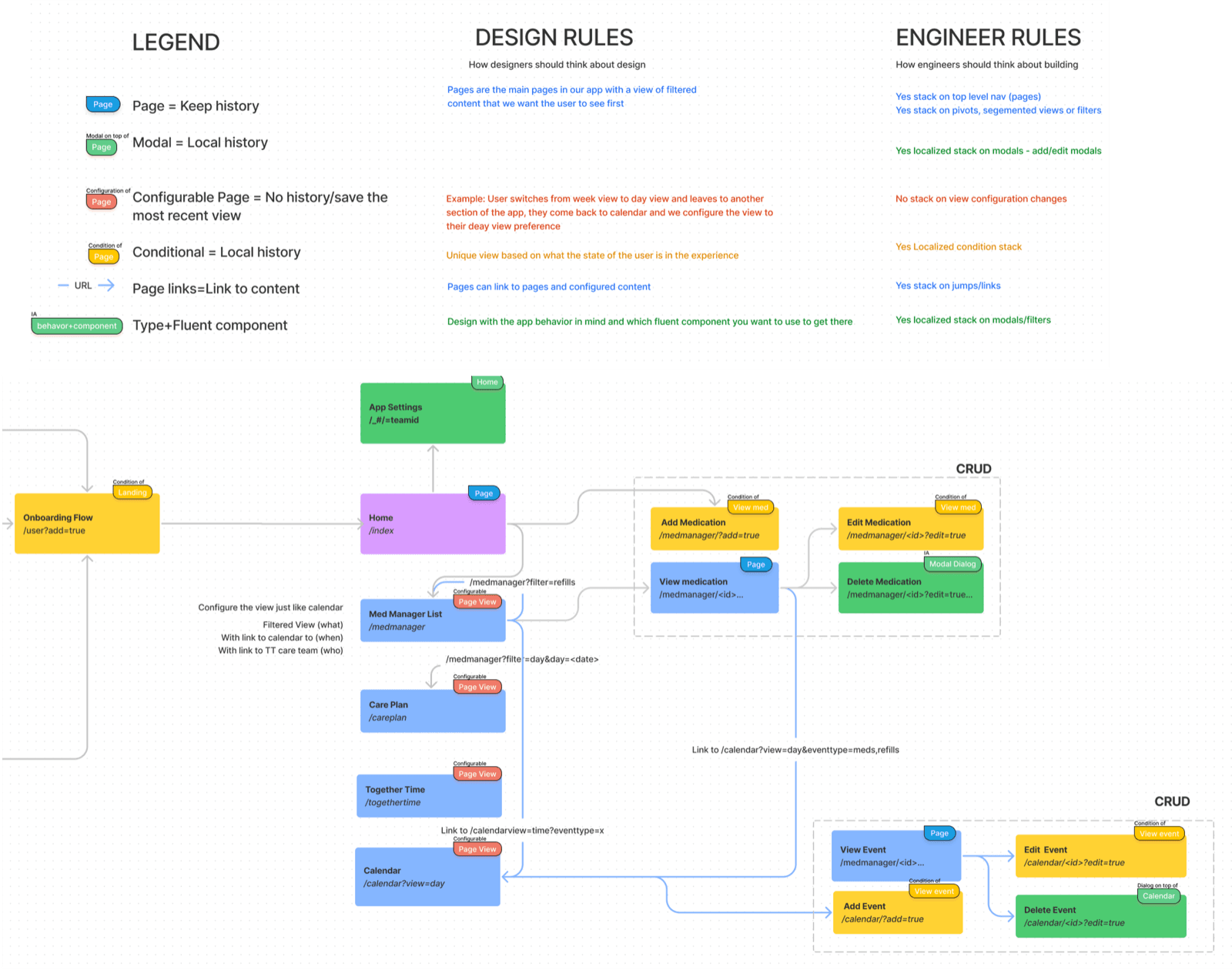
We settled on a CRUD-based architecture with a shared set of structural principles so that anyone on the team could make confident decisions without scheduling yet another meeting. This framework handed engineers the foundational building blocks they needed to start coding right away.
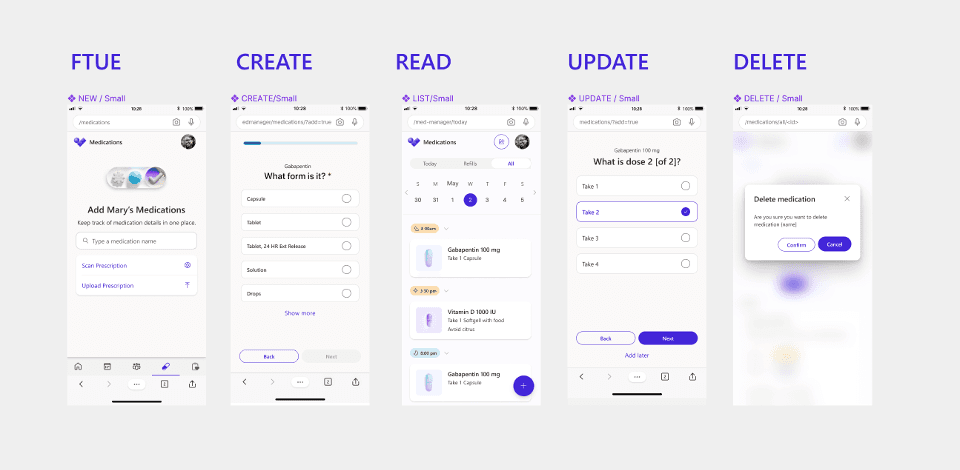
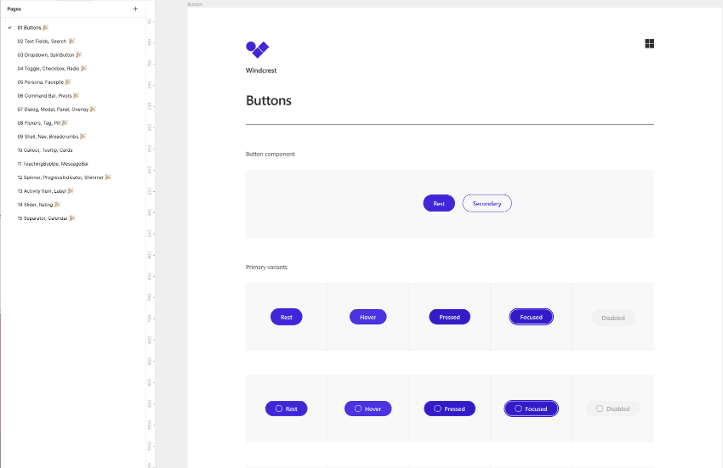
Fluent Design System
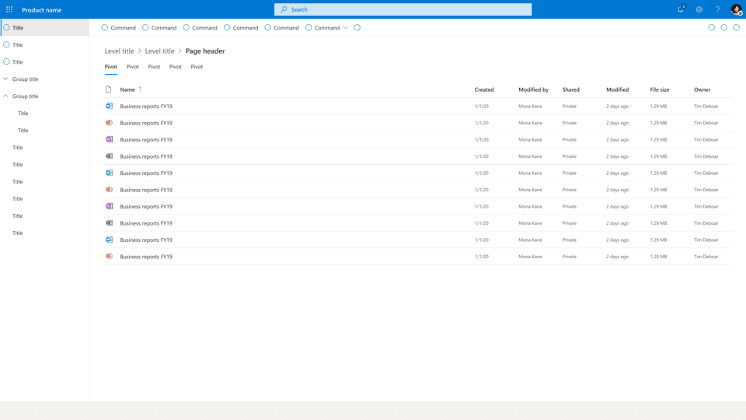
To get the engineering team moving fast, we kicked off with Microsoft Fluent as our foundation, but out of the box it felt too clinical for a caregiver audience. I gave my principal visual designer the green light to soften it with a custom theme.
From there, I led the full design team through the process of overlaying our brand elements onto the Fluent system, and then coached everyone on applying that same visual language consistently to the CRUD framework.
Wave 2: Innovate with AI
The right information at the right time with the right level of understanding
The question that drove Wave 2 was deceptively simple: what happens when every person in the care circle (patient, caregiver, provider) has exactly the information they need, exactly when they need it, at a level they can actually act on?
I brought on a dedicated researcher to explore how caregivers would want to interact with an AI-driven system. The insight that emerged was clear: delivering the right information at the right moment with the right depth of explanation was everything.
AI Research
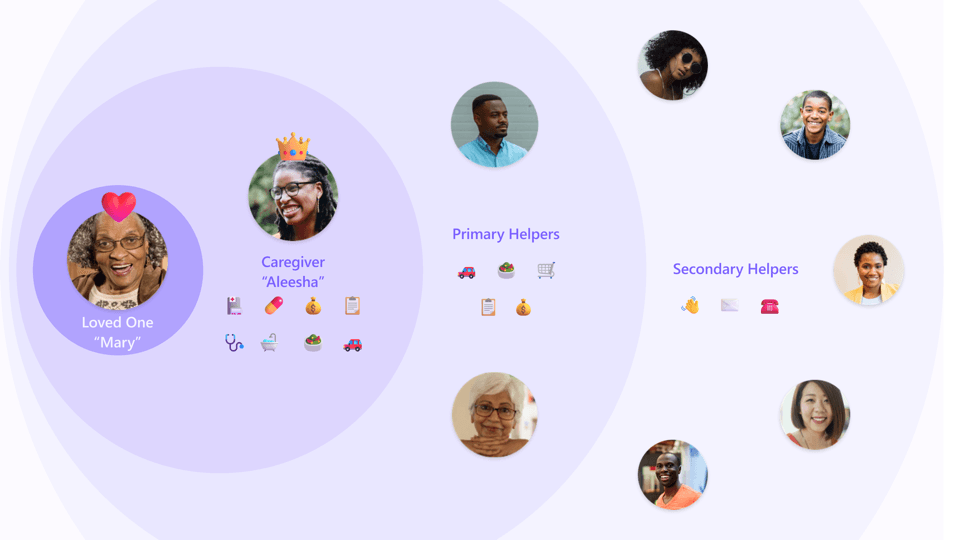
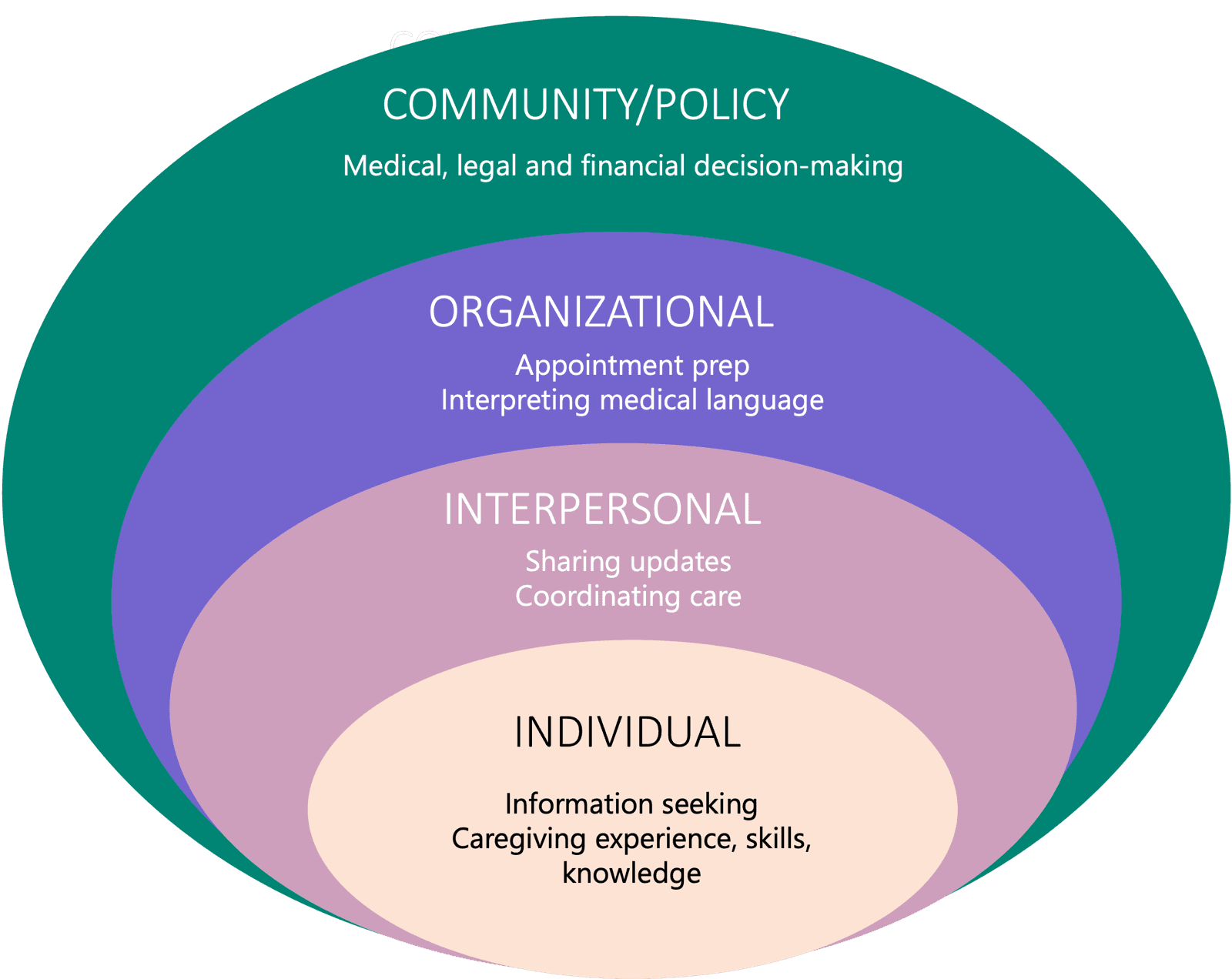
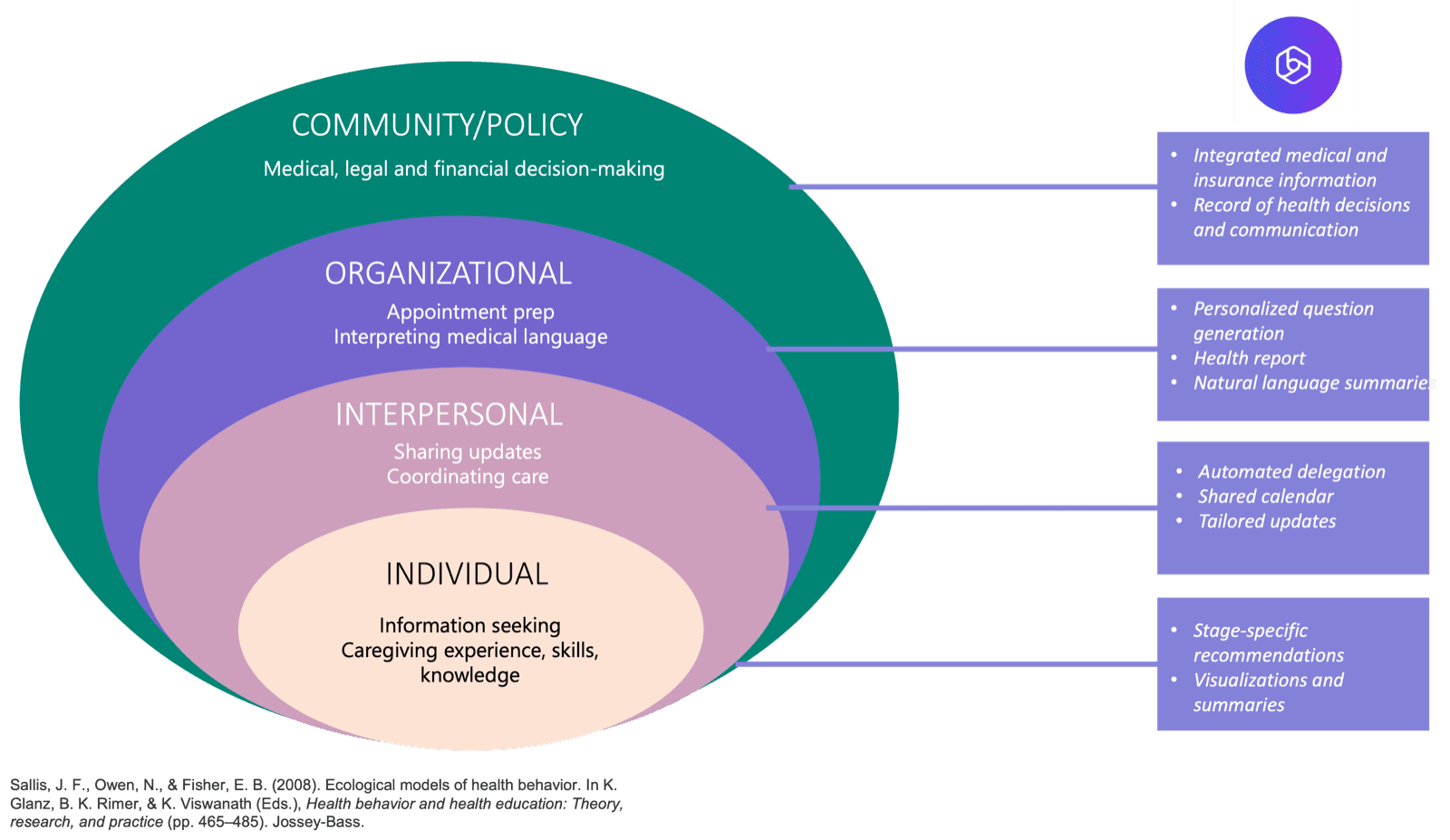
The socio-ecological model gave us a layered lens for understanding caregivers, from individual information needs, to interpersonal coordination, to organizational touchpoints, all the way out to community-level support.
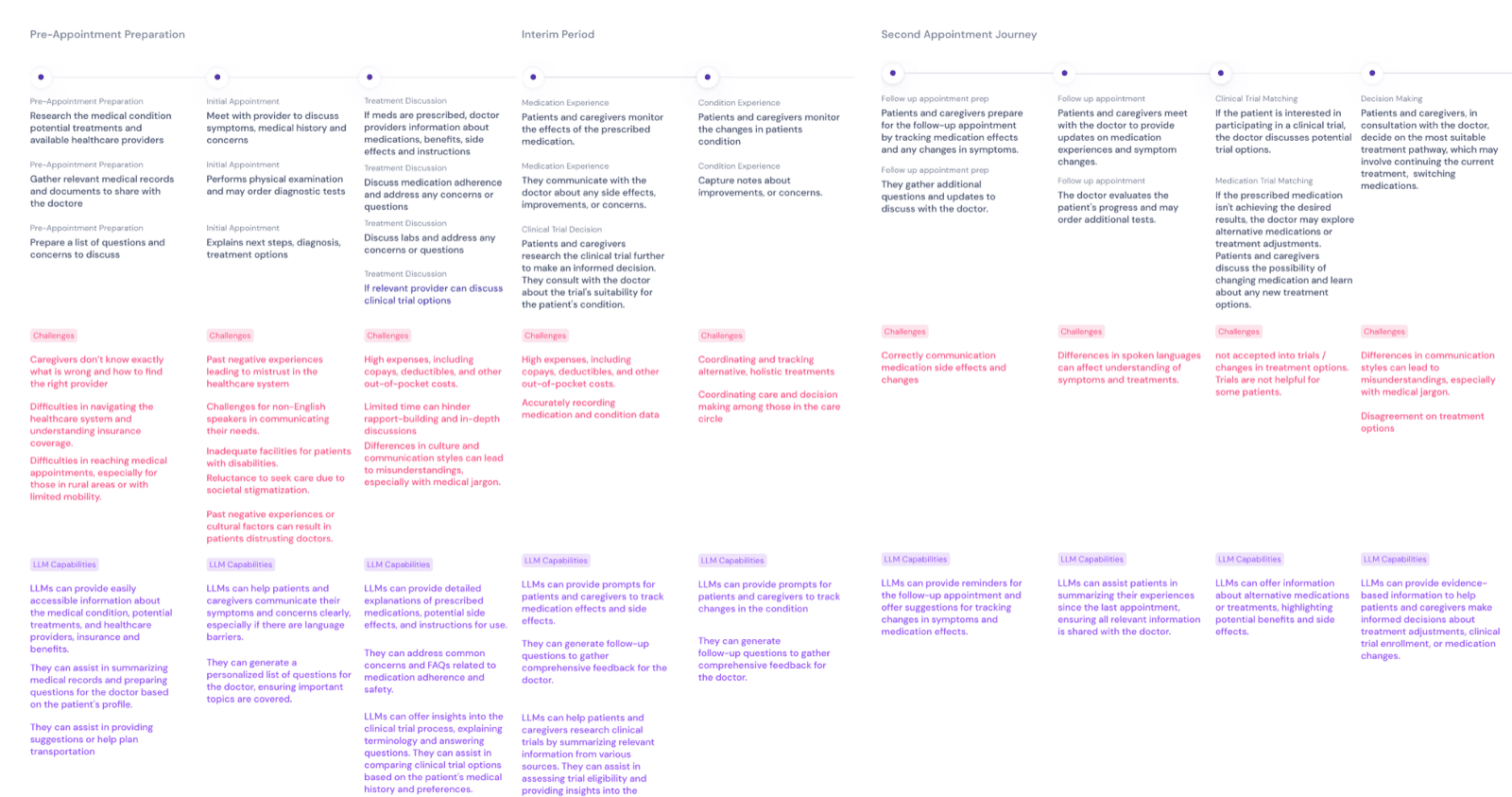
Working hand-in-hand with our researcher, I translated those insights into a detailed customer appointment journey that highlighted where LLM capabilities could make the biggest difference. I then facilitated a team-wide workshop to design solutions for each step of that journey.
Usability Testing
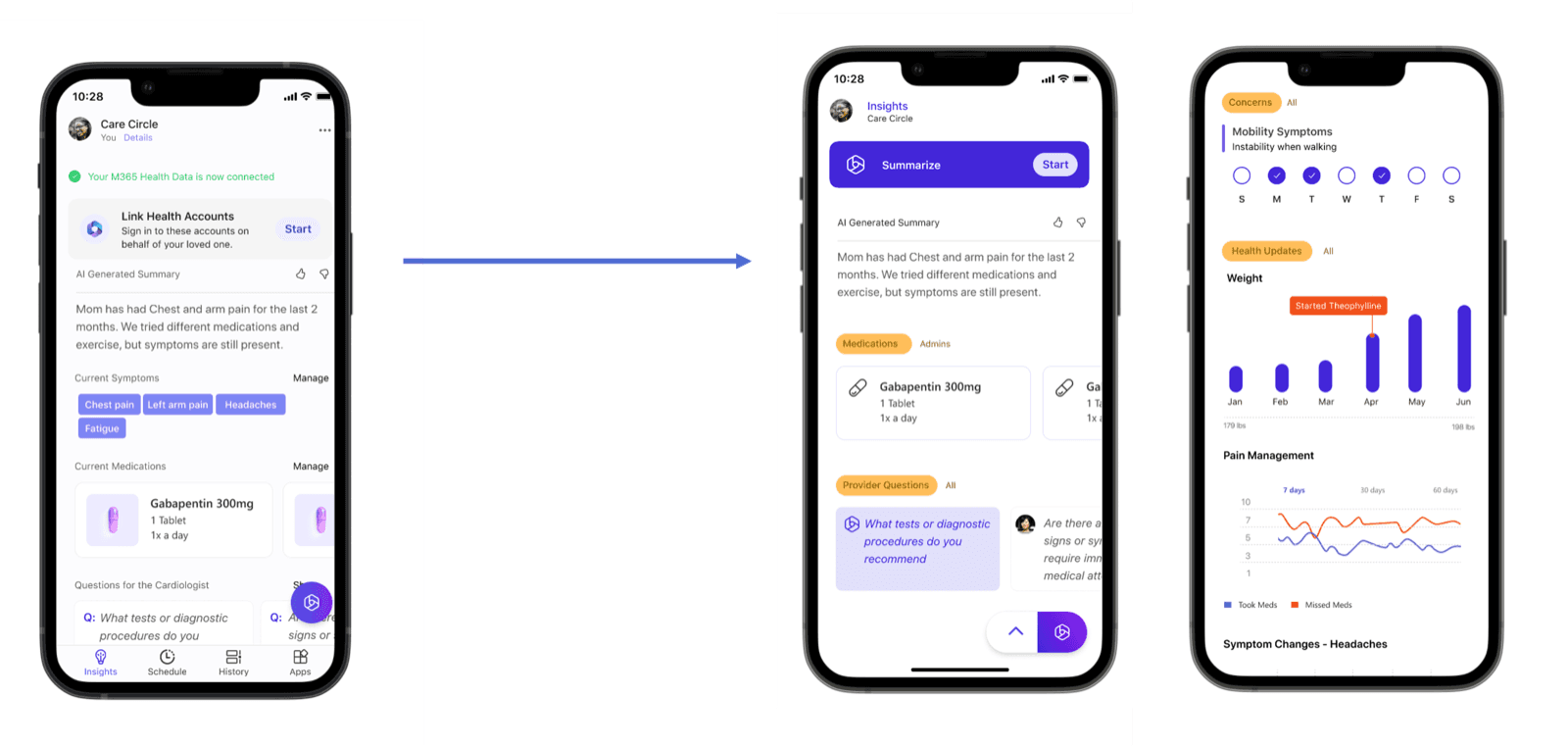
I put together a fully working, high-fidelity Figma prototype of the updated flows. We recruited participants who matched our target profile and conducted 6 usability sessions in the first round, followed by 3 more after addressing the issues that surfaced.
Issue 01: AI vs. human content clarity: Participants told us they needed an unmistakable signal showing whether content was generated by AI or written by a person.
In response, we introduced visualizations for key data points, layered in privacy controls, and gave every section a clearly stated purpose so users always knew what they were looking at and why.
Wave 3: Find Product Fit
Enable providers to deliver care effectively into the home
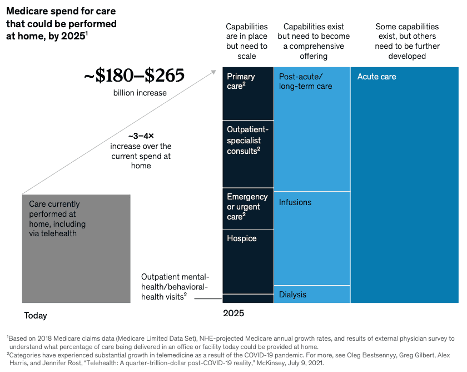
The market opportunity was impossible to ignore. Ambulatory care is steadily migrating from clinics into patients' homes, providers are scrambling for tools to stay connected beyond office visits, and families are already spending out of pocket to fill the gap.
Eldercare demand is the primary engine behind this shift. Most providers simply aren't equipped to support care activities in the home, leaving patients and their families to cobble together their own solutions.
Our conviction was clear: the winning play is giving providers the tools to extend quality care directly into the home environment.
The Applied Vision
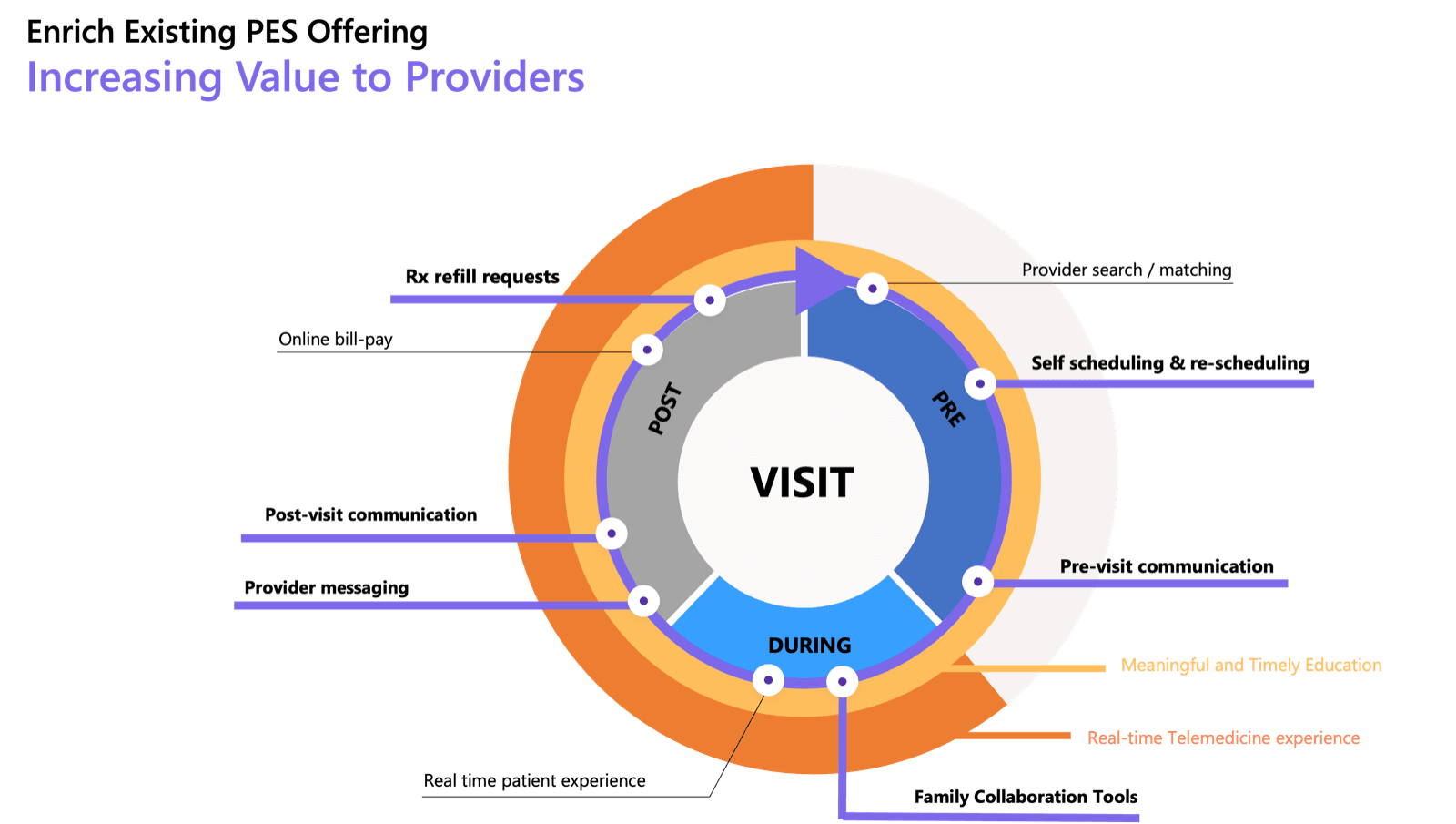
We anchored our vision to the KLAS patient engagement platform and the core pillars that matter most for aging individuals: security, health, personal capabilities, and a supportive environment.
The way we tackle these pillars is by bringing health-focused services straight to where people live. Rather than engaging users at a single touchpoint, we designed for the full journey, building trust with health consumers and weaving a seamless care experience that connects patients and providers from end to end.
Never Stop Caring
If there's one takeaway that has stayed with me from this entire journey, it's that caring never stops, whether it's for my team, our partners, or the people we're building for. That belief is what gets me out of bed every morning and keeps me doing this work.